

A leading environmental solution provider
Get in touch with us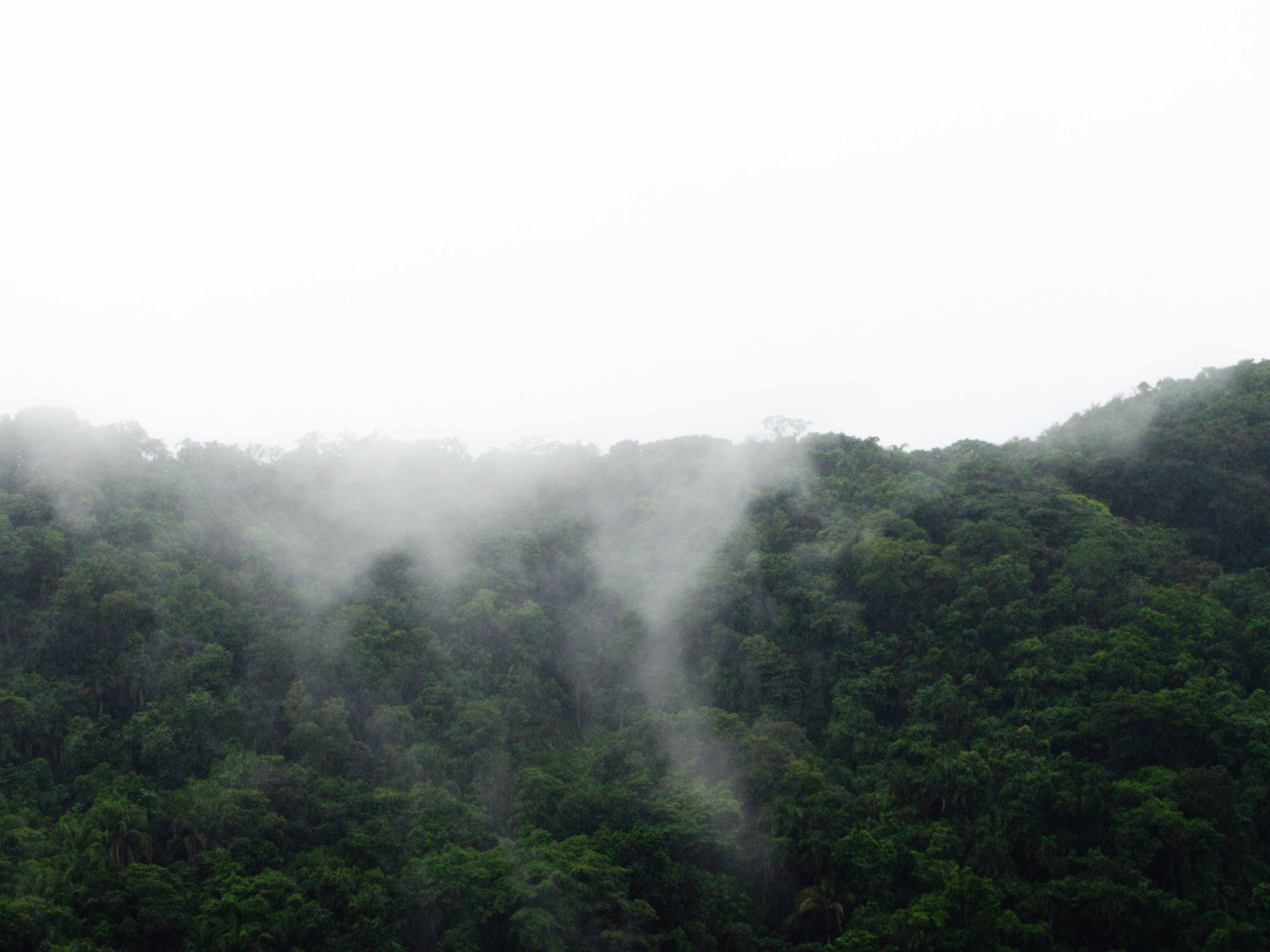
High-Integrity Carbon Credits in Action - The Cerâmica Gomes de Mattos Project
For companies working toward credible climate and environmental, social and governance goals, purchasing carbon credits is no longer simply a matter of buying the lowest-cost tonne available. Corporate buyers are increasingly expected to understand where a credit comes from, how the underlying emission reduction was calculated, which standard governs the project and whether the activity creates lasting environmental and social value. This has increased demand for high-integrity carbon credits: credits generated through documented projects, recognised methodologies, independent validation and verification, and transparent monitoring. Through its Sustainable Carbon solution, AFS Energy helps organisations identify and source carbon credits suited to their residual-emissions strategies and wider sustainability objectives. The portfolio includes projects certified through established carbon-market frameworks, including the Verified Carbon Standard, Gold Standard and SOCIALCARBON. One example is the Cerâmica Gomes de Mattos fuel-switching project in northeastern Brazil. The project demonstrates how carbon finance can support industrial decarbonisation while contributing to biodiversity protection, factory modernisation and local socioeconomic development.
What makes a carbon credit high integrity?
A carbon credit generally represents one tonne of carbon dioxide, or the equivalent quantity of another greenhouse gas, reduced or removed from the atmosphere. However, the existence of a credit does not, by itself, establish its quality. Corporate buyers need to consider several fundamental questions. Would the emission reduction have occurred without carbon finance? Is the project using an appropriate and recognised methodology? Are the baseline emissions calculated conservatively? Is the project monitored over time? Has the reported performance been independently assessed? Are there risks of emissions simply being displaced elsewhere? High-integrity projects are designed to address these issues through formal rules, documentation and verification processes. They also provide buyers with traceability, allowing them to understand the project activity connected to each credit. The Cerâmica Gomes de Mattos project was developed under the Verified Carbon Standard and applies methodology AMS-I.E, which addresses the replacement of non-renewable biomass in thermal applications. It is listed under Registry ID 64 and incorporates the SOCIALCARBON co-benefit framework.
This combination is important. The carbon standard provides the framework for quantifying and verifying greenhouse-gas reductions, while the co-benefit framework considers the wider social and environmental context surrounding the project.
From native Caatinga wood to renewable fuel
Cerâmica Gomes de Mattos, commonly referred to as CGM, is located in Crato in the Brazilian state of Ceará. The company manufactures bricks and roof tiles, products that require substantial heat during the firing process. Before the carbon project was implemented, the factory used native wood from the Caatinga biome as fuel. The Caatinga is a dry tropical ecosystem found almost entirely in Brazil and is home to plant and animal species adapted to demanding climatic conditions. Pressure from wood extraction, land conversion and other human activity has made its protection an important regional concern. In 2006, CGM began a major transition away from native wood and toward the exclusive use of renewable fuels. By replacing its previous fuel source, the factory sought to reduce the greenhouse-gas emissions associated with its operations and decrease pressure on native vegetation.The change also enabled the project to participate in the international voluntary carbon market. Emission reductions achieved through the fuel transition could be quantified under the applicable methodology, independently assessed and converted into carbon credits. According to the project brochure, the first and second crediting periods, covering 2006 to 2026, were expected to generate total emission reductions of approximately 763,390 tonnes of CO₂. The brochure gives an estimated annual average of 28,342 tonnes during the first crediting period and 47,997 tonnes during the second. These figures describe estimated project performance across the relevant crediting periods. Buyers should distinguish such estimates from credits already verified and issued, as issuance follows monitoring, validation and verification under the registry’s procedures.
Carbon finance as an industrial transition tool
Carbon credits are sometimes discussed only from the buyer’s perspective. Yet their underlying purpose is to direct finance toward activities that reduce or remove emissions. At CGM, revenue associated with the sale of carbon credits has been used to support the factory’s transition and wider sustainability activities. The project reports that carbon income has contributed to modernising production, improving conditions for workers and supporting initiatives within the surrounding community. This illustrates one of the potential strengths of project-based carbon markets. A manufacturer may understand the environmental and operational benefits of moving to cleaner fuels but face capital, technology or implementation constraints. Carbon finance can improve the economic case for change by assigning a value to independently quantified emission reductions. The project also reports investments in modern kilns equipped with temperature controls and combustion monitoring. Improved control over the firing process can support more efficient fuel use, consistent product quality and better management of emissions.
For credit buyers, this provides a direct connection between the environmental commodity and a physical industrial intervention. The credit is not based on an abstract commitment. It is associated with a documented change in how heat is generated at an operating ceramic facility.
Protecting biodiversity in the Caatinga
The CGM project is also differentiated by its reported biodiversity activities. The brochure describes a partnership with the Brazilian conservation organisation AQUASIS to help protect endangered bird species in an approximately 2,000-hectare area associated with the Araripe National Forest. It also reports the establishment of a bird observatory intended to support conservation and environmental awareness. CGM additionally reports sustainable forest-management activities across approximately 3,700 hectares. These activities include the planting and preservation of native trees, helping to maintain habitat and ecological resources for local wildlife. The company’s Pau D’Arco, Bonfim and Boqueirão areas are described in the brochure as reference sites for sustainable management, with recognition connected to the Araripe Foundation and Brazil’s Ministry of Science and Technology. These claims are presented as project-reported co-benefits and form part of the project’s wider environmental narrative.
Other reported measures include responsible waste disposal, chimney scrubbers intended to improve air quality, solar-energy investment and environmental-education activities undertaken with Araripe Geopark.
For corporate buyers, these characteristics may provide value beyond the quantified carbon reduction. Credits connected to habitat protection, environmental education and improved local land management can support broader sustainability priorities, including biodiversity and nature-related reporting.
However, carbon and biodiversity outcomes should remain clearly distinguished. A carbon credit represents a verified greenhouse-gas benefit under the relevant standard. Biodiversity activities are additional project attributes that should be assessed and communicated according to the evidence available.
Social and economic co-benefits
High-integrity credit procurement increasingly includes an examination of how projects affect workers and communities. CGM reports an inclusive employment policy that creates opportunities for women, people with disabilities and younger community members who are still completing their education. The company also describes investment in worker training, safer and more efficient equipment, and community engagement. One local initiative involved the construction of a football field used for recreational activities and tournaments involving employees and residents. The project also reports a programme known as “CGM in Action,” through which health and citizenship services are made available to members of the local community. Environmental awareness is another reported component. CGM communicates its sustainability activities through local radio, television and printed materials, helping to bring issues such as renewable fuel use and biodiversity protection into the public discussion. These activities demonstrate how a carbon project can be structured to produce a wider development narrative. For buyers, this can support ESG objectives and stakeholder communication, provided claims are accurate, proportionate and properly attributed.
The role of credits in a corporate climate strategy
High-integrity carbon credits should be used as part of a broader emissions-management hierarchy. A company should first measure its greenhouse-gas footprint, identify material sources and implement feasible reductions within its operations and value chain. Carbon credits can then be considered for residual emissions that cannot yet be eliminated, or as a means of financing additional climate action beyond the company’s value chain. Credits should not be presented as a substitute for direct decarbonisation. Nor should their purchase automatically be described as satisfying every net-zero or Science Based Targets initiative requirement. The correct role depends on the organisation’s target, reporting framework and the type of climate claim it intends to make. AFS Energy can help buyers evaluate this context before selecting credits. This includes considering project type, standard, methodology, vintage, location, available documentation, co-benefits and retirement requirements. A well-designed portfolio may also include credits from different project categories or regions to manage concentration risk and align purchases with specific corporate priorities.
Source high-integrity credits with AFS Energy
The Cerâmica Gomes de Mattos project shows how a carbon credit can connect a corporate buyer to measurable industrial change. By replacing native Caatinga wood with renewable fuel, the project aims to reduce greenhouse-gas emissions while supporting factory improvements, biodiversity initiatives and community development. For organisations seeking to address residual emissions, the challenge is not simply finding credits. It is selecting credits with the integrity, documentation and project characteristics needed to support credible climate action. AFS Energy assists corporate buyers with carbon-credit sourcing, project assessment, portfolio development and retirement strategy. By combining carbon-market expertise with access to projects such as Cerâmica Gomes de Mattos, AFS Energy can help organisations build an offsetting approach that is transparent, defensible and aligned with their wider sustainability goals. Companies reviewing their current or future carbon offsetting requirements can contact AFS Energy to discuss suitable high-integrity carbon credits and develop a tailored procurement strategy.


